Professor Wins Grant to Train Academic Librarians Nationwide on AI Literacy
Ask a student where they start their research these days, and increasingly the answer isn’t the library website—it’s an AI platform.
To prepare and adapt to that rapidly changing landscape, Megan Oakleaf, professor and senior associate dean for faculty and academic affairs in the School of Information Studies, has won a grant from the Institute of Museum and Library Services to train 110 academic librarians nationwide in AI literacy and assessment.
The three-year project, Student Success through Assessment and AI Literacy in Libraries (SSAAILL), partners Syracuse University with the University of Virginia, Colorado State University and the University of Denver. The goal is to prepare academic librarians for a landscape where students increasingly turn first to AI-generated answers instead of library resources, often without the skills to evaluate what they’re getting.
iSchool Interim Dean Jeff Rubin says Oakleaf’s work puts the University at the forefront of helping academic librarians nationwide navigate the shift.
“Getting this IMLS award is fantastic, especially given the climate we’re in right now,” says Rubin. “The intersection of AI and libraries is the right research at the right moment for our school, and Megan is exactly the right person to lead it.”
Meeting the Moment
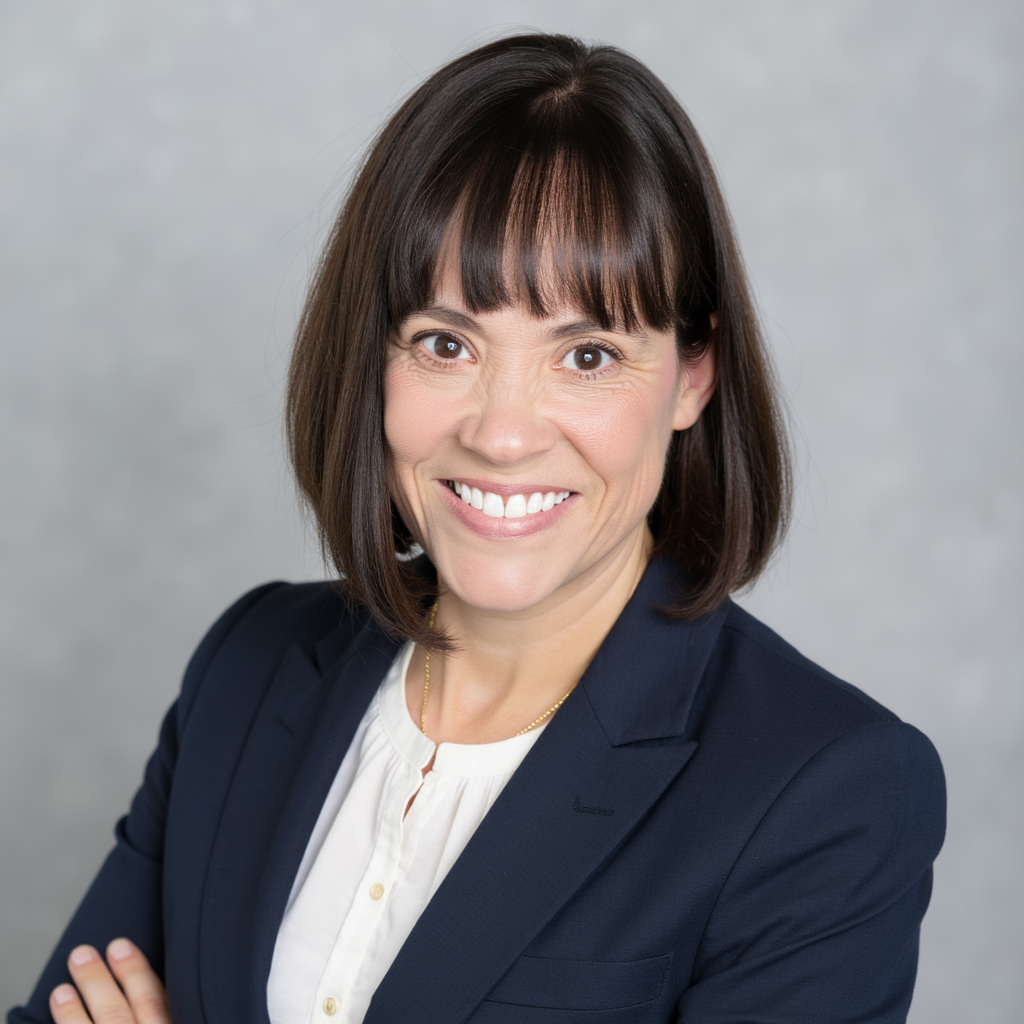
Oakleaf, who teaches courses in information services, information and AI literacy, academic libraries and project design in libraries in the iSchool’s MSLIS program, says the project tackles three shifts that are “converging” in library science right now.
Not only are students increasingly starting research with AI-generated answers instead of library resources, but she says institutions are also adopting AI-driven learning analytics that frequently exclude library data entirely, which makes libraries’ contributions to student success invisible in campus decision-making, Oakleaf says.
On top of that, she says library leaders often lack a clear framework for communicating the library’s value when university decision-makers are including AI-supported analyses to make decisions.
If librarians aren’t equipped to respond to all three of these challenges, libraries risk becoming marginalized at a time when their role in teaching critical evaluation skills is most needed, Oakleaf says.
The moment matches the mission of the project, Oakleaf says.
“I’ve long focused on library assessment, guiding librarians who are supporting student literacies (information literacy and now AI literacy) and demonstrating the value that libraries provide to students and faculty who are focused on teaching and learning in the context of academic institutions,” she says. “AI hasn’t changed the landscape, but it is changing the toolset and increasing the rate of decision-making on campuses, so there is a sense of urgency around helping librarians be ready to respond to changing terrain, rather than just reacting to it.”
How the Project Will Work
Oakleaf is bringing her experience researching how academic libraries demonstrate and improve student learning to the project.
SSAAILL will use a three-track, dual-cohort, train-the-trainer model. One track, led by Leo Lo, dean of libraries at the University of Virginia, will focus on AI literacy instruction. The second, led by Becky Croxton, strategic assessment librarian at Colorado State University, will zero in on the AI-enhanced assessments, which often exclude library data, deployed by educational institutions. The third, led by Michael Levine-Clark, dean of libraries at the University of Denver, will delve into AI-era library leadership and communicating library value.
Oakleaf says each track will involve two cohorts over the three-year grant period to create a “deliberate feedback loop” rather than a one-time workshop.
The participants will attend the intensive training and then return to their home institutions and each train at least five colleagues. In that way, the project aims to reach more than 550 librarians at 110 institutions across the United States with its training.
The project also includes a student advisory group of undergraduates whose input helps shape the training curricula directly, allowing current students a hand in defining what AI literacy looks like in practice.
“The key challenge we anticipate is pace,” Oakleaf says. “AI tools and student behavior around them are changing faster than most professional development models can keep up with, so we’ve built in that iterative, cohort-based refinement specifically to keep the curriculum current rather than static. A second priority is making sure the training actually transfers. It’s not enough for one librarian to learn something at a conference; the train-the-trainer structure and implementation toolkits are intended to make sure it spreads.”
Oakleaf says the framework SSAAILL is building and testing with practicing academic librarians informs the work she does in her courses at the iSchool.
“Our MSLIS students are entering a profession where AI literacy instruction, AI-augmented assessment and AI-era leadership communication are becoming core competencies,” she says.