Why ‘Dreams’? Vivian May on This Year’s Syracuse Symposium
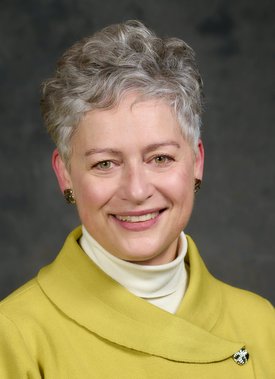
For Vivian May, understanding and benefitting from the humanities happens in classrooms, archives and scholarly books, but also in daily interactions, in creativity and in communities, helping people thrive, together, through shared understanding.
That belief is at the heart of the annual Syracuse Symposium. For more than two decades, the free public events series has opened the University’s humanities scholarship to the wider community.
As director of the Syracuse University Humanities Center and lead director of the CNY Humanities Corridor, May, along with Humanities Center Assistant Director Diane Drake, collaborates with faculty, artists and community partners to develop the Syracuse Symposium programming.
This year’s theme, “Dreams,” invites audiences to explore the many shapes dreams take, such as visions of future selves, reshaped memories and ways to reimagine our shared social and political life.
The humanities are “like a thread that stitches across the fabric of our lives,” says May, professor of women’s and gender studies, and this symposium season shows that thread by linking memoir, inclusive gaming, film, choral music, studio art and playwriting, among other creative endeavors.
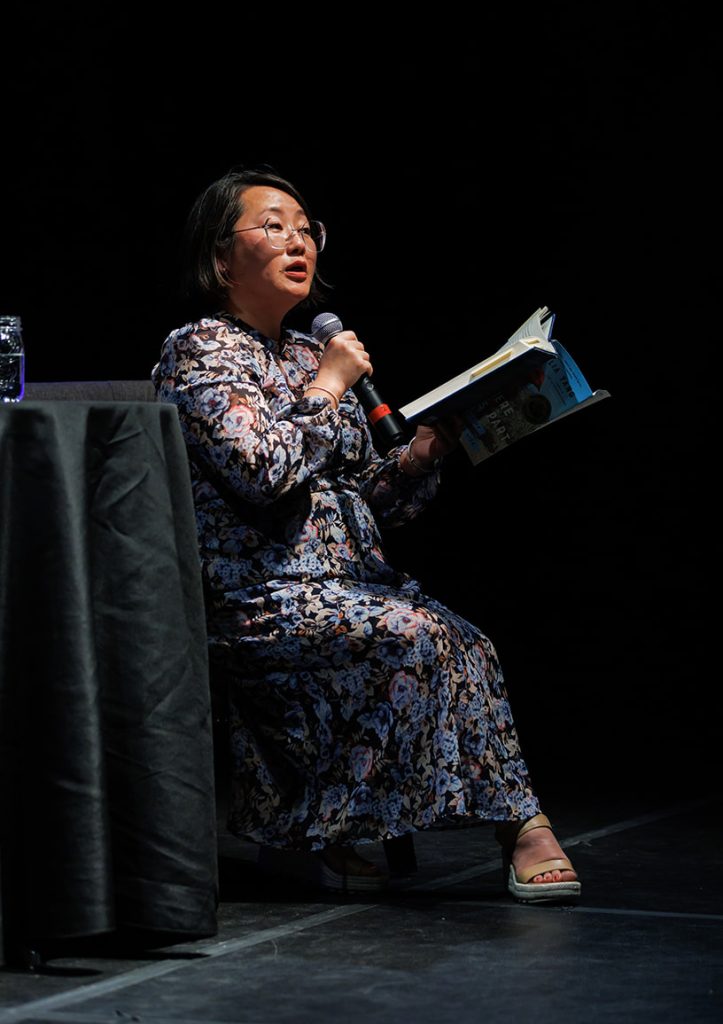
The fall has already brought author Kao Kalia Yang and filmmaker Tamika Galanis to campus, with more ahead, from a choral celebration of America’s 250th in Hendricks Chapel Nov. 15, which will also be livestreamed, to a reading and writing workshop with novelist Carmen Maria Machado in February that kicks off the spring 2027 events. Every event is free and open to all.
In this SU Today Q&A, May discusses the theme of dreams and the continued role of humanities in connecting the University and the greater community.
Our Advisory Board collectively decides Syracuse Symposium themes, which are chosen to be compelling, accessible and open to multiple points of entry for public engagement. The process, from idea to proposals to a finished lineup, takes about two years: “Dreams” was selected two years ago, and this year’s lineup was chosen by committee from last spring’s proposals.
We chose “Dreams,” plural, to prompt people to think about many kinds of dreams—full of symbolism and wisdom, and taking many shapes. Some see dreams as predictive, others as guidance. Tapping into our longings and our fears, dreams can help repair old wounds, offer escape beyond reality, or, as “freedom dreams,” reimagine the shape of our shared social and political life.
As a whole, the season foregrounds how the humanities help us make sense of memory, identity and community. The lineup highlights how the humanities drive how we think about care, technology, history, injustice and community—and how we strive to use creativity and our imaginations to understand one another and devise more inclusive futures.
By weaving together memoir, gaming design, film and archives, choral music, studio art, playwriting, protest, and even a walking tour immersed in queer ecology into a single fabric, the season emphasizes how the humanities are like a thread that stitches across the fabric of our lives, the University and our wider community.
Free, public-facing programming matters because it’s built for everyone to participate, and the range of genres provide different ways to engage the theme’s possibilities.
The choral concert marking America’s 250th will bring performers and the audience together through music filling Hendricks Chapel. Spring’s “Forest Euphoria” walking tour takes the humanities outdoors, to think through environmental justice matters in new ways. And workshops like the Works-in-Progress writing group, or the craft session with novelist Carmen Maria Machado, open up the creative process to any student, faculty member, staff or community member interested in craft.
Knowledge is based in dialogue and exchange: we try to build that approach into each year’s lineup.
While AI can generate images or draft plausible-sounding history, it can’t adequately explain meaning or why things matter (and to whom). The humanities help us ask what’s true, what’s worth caring about, and whose story is being told. Tamika Galanis’s films address gaps in Black history through creative speculation, carefully imagining what the archive left out and how to inhabit lost histories through the fragments we have. The inclusive gaming event asked tough questions about what technology can do, and who it’s designed to include or exclude.
And Carmen Maria Machado’s work reminds us that some kinds of knowing, borne from trauma, memory and survival, become legible when a writer breaks form; algorithms trained on convention don’t get there, which is why many aspects of our lives are best understood through stories and art.
In short, the humanities help us appreciate the difference between information and understanding, a distinction that matters more than ever!
For more information on the events, visit the Syracuse Symposium website.