From Research to Picture Books: Why a Law Professor Writes for Every Audience
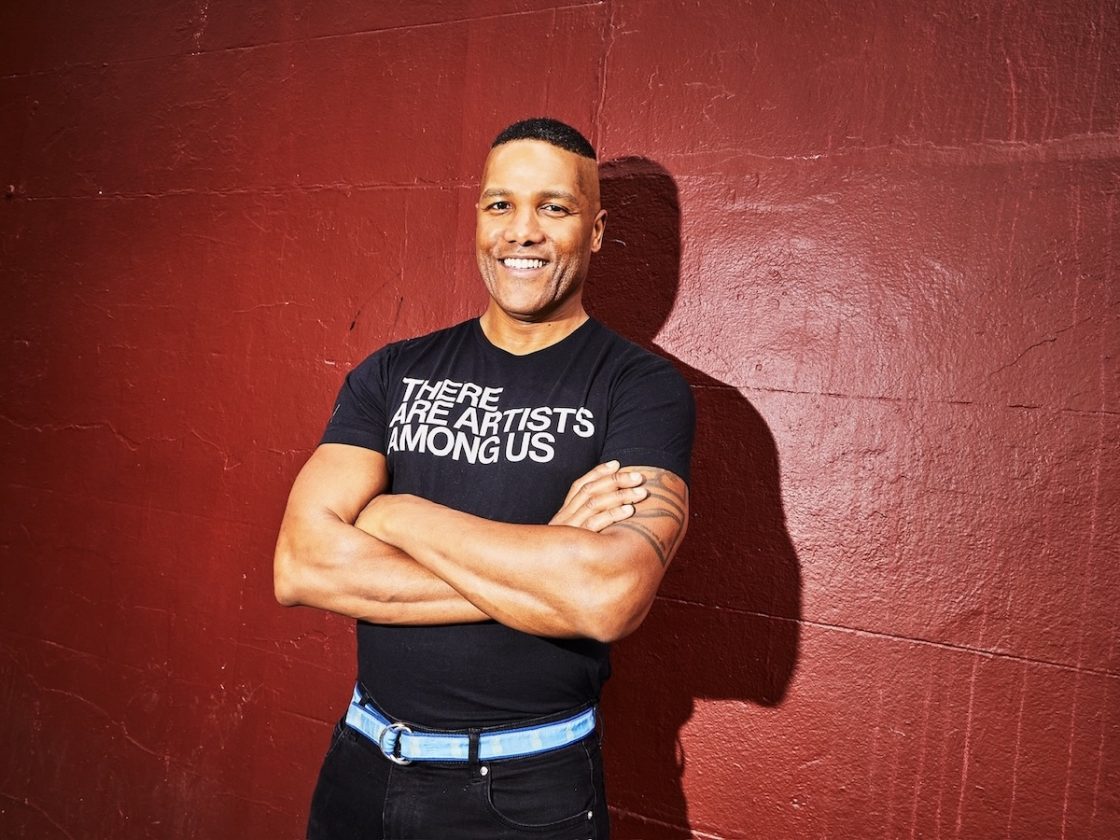
Kevin Maillard, professor in the University’s College of Law, has always been drawn to studying the legal issues that impact families, Indigenous communities and identity. He has long shared that research with audiences beyond the classroom.
That expansion began around 2011 when he started writing for The New York Times and continued with the release of his debut children’s book, “Fry Bread,” in 2019, which won the Robert F. Sibert Informational Book Medal and the American Indian Youth Literature Honor. His second book, “And They Walk On,” published last year and was listed on Kirkus Best Books of 2025.
His third book for children, “The Ones Who Came Before,” will be released on Oct. 13.
“I like to do the same topics over and over, but for different audiences, so it’s making this type of scholarship accessible,” Maillard says.
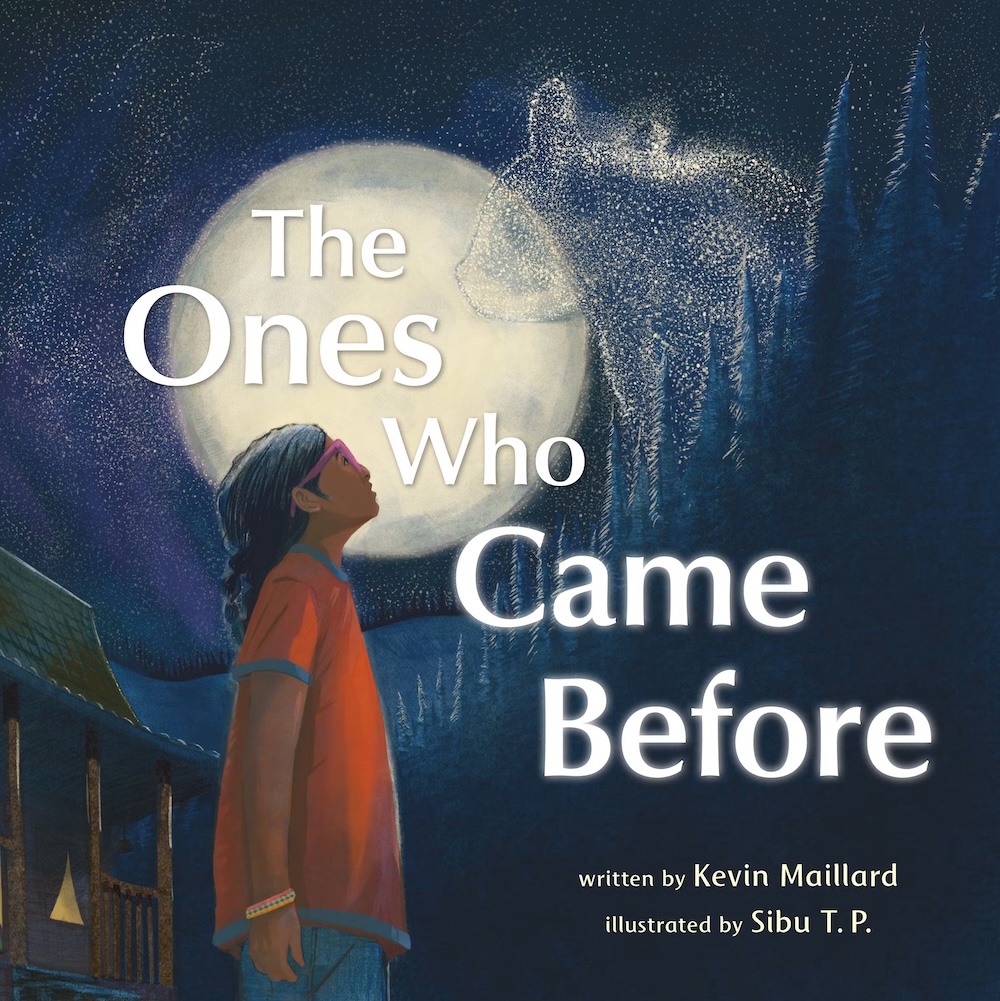
His latest book, “The Ones Who Came Before” explores the idea of belonging and “who came first” through a child and grandfather. Maillard says it was sparked by an unexpected encounter with bears during a family trip to Vermont.
“We were all sitting by the window in the dark, and then something blew on our faces,” he says. “It was really hard and stinky. We couldn’t see it, but we were nose-to-nose with a bear in the window. We ran out screaming, and then we saw another bear in another window. And we realized we were surrounded by bears.”
When the game warden arrived, the response to his request for help removing the bears stopped him in his tracks.
“He said, ‘Actually, the bears were here long before you, and they’ll be here long after,’” Maillard says.
The warden’s words stuck with him, and the idea for the book grew.
“That forest ranger’s words reminded me of something very important,” Maillard says. “You have to recognize that there was somebody else here before, and you’re in their spot. They’re not in your spot.”
Maillard, an enrolled member of the Seminole Nation of Oklahoma, shares more with Syracuse University Today about his newest book and the links between his scholarship and his writing for children.
With writing picture books, I can express more emotion than when I am teaching law. I can feel when something works. I can actually feel it in my chest. When I have those reactions, I know that I’ve gotten something right.
Fundamentally, I’m an educator. I like to write, I like to teach, I like being in the classroom. I love seeing students’ eyes open up. I’ve taught high school, I’ve taught college level, I teach law school and now I go into elementary schools or preschools [with my books]. I live for that because I love kids.
It definitely does, and I would say it’s in combination with my experience in journalism.
I think it’s a combination of confidence over the years because I’ve taught so many different classes, but then also bringing in these outside experiences. It’s made me a better teacher. It’s made me more empathetic, because I’m considering children’s emotions.
Working with students, you can take the same approach. You’re thinking about how they want to hear things, what’s going to help them best learn.
My first book “Fry Bread” has back matter, what most know as an author’s note. It turned out to be eight big pages. I remember spending as much, if not more time, writing all of this in a children’s book as I did for my doctoral dissertation or some of my law review articles or books. There was so much research and fact checking.
Because I have this academic background and this legal background and this journalistic background, it made me thorough from the academic background, accurate from the legal background, and nosy from the journalistic background. All of those skills contributed to this back matter.
And that’s what the teachers and librarians and the parents love, because they can get a compact history of the diversity of Native America in one spot. I don’t think I would have been able to write something as good, with as much knowledge and specificity and authority, had I not been a scholar.
I firmly believe in the benefits of a liberal arts education, because people’s interests change, people’s fortunes and opportunities change over time.
An English degree, a law degree, you’re learning about law and you’re learning about power structures, but you are opening your eyes to something else. Whatever you’re learning at Syracuse University, it’s teaching you not only the subject, it’s teaching you how to inquire and how to seek and search. Your first job, maybe it might be the job you have when you retire 45 years later, but most likely it is not.
One thing that I love about all this is it keeps you curious and interested. It keeps your mind active and young. I think that for students it is good to see the people who are teaching you still excited and interested in the world around them.