“Return of the Wholesome Humans, WS734,” 2020. Artist William Scott, acrylic on canvas. Courtesy of the artist and Creative Growth.
Art Museum Announces Spring 2026 Exhibitions
This spring, the Syracuse University Art Museum will present three new exhibitions that challenge how we think about art, freedom and the human body. Together, they examine whose stories get told and how the images we see shape the way we understand our world and each other.
“Possible Worlds: 20 Years of the Wynn Newhouse Awards,” “Afterimages: Legacies of the Thirteenth Amendment” and “Undressed: The Nude in Dutch Art, circa 1550-1800″ will join the permanent collection exhibition “Human/Environment: 4,000 Years of Art” and the Art Wall Project by artist Bhen Alan, “Why Does My Adobo Taste Different?”
‘Possible Worlds: 20 Years of the Wynn Newhouse Awards’
For 20 years, the Wynn Newhouse Awards have recognized and celebrated the excellence of contemporary artists living with disabilities. This exhibition brings together 11 of those artists—painters, sculptors, photographers and video artists—chosen from 115 award recipients for the force and clarity of their work.
Curated by Daniel Fuller G’04, “Possible Worlds” spans generations and approaches. The works vary from quiet and intimate to bold and confrontational, exploring themes that include memory, time, care, power, communication and the body. The exhibition makes no attempt to define what disability means to these artists or present a unified narrative. Instead, it offers visitors a chance to spent meaningful time with each artist’s individual practice and consider how these artists navigate the art world— and the world at large—on their own terms.
Fuller will engage in a virtual conversation about the exhibition on Wednesday, Feb. 4, from 6 to 7 p.m. Registration is free and required. A range of programming inspired by the exhibition will be presented throughout the semester.
Generous support for this exhibition is provided by the New York State Council on the Arts (NYSCA), the Joe and Emily Lowe Fund, Louise B. and Bernard G. Palitz Fund, the Burton Blatt Institute and the Center on Disability and Inclusion in the School of Education.
‘Afterimages: Legacies of the Thirteenth Amendment’
The 13th amendment, ratified by Congress in 1865, abolished slavery and involuntary servitude. Except for a critical exception: slavery could continue as punishment for a crime. That loophole has shaped American life ever since, from convict leasing in the Jim Crow South to mass incarceration today.
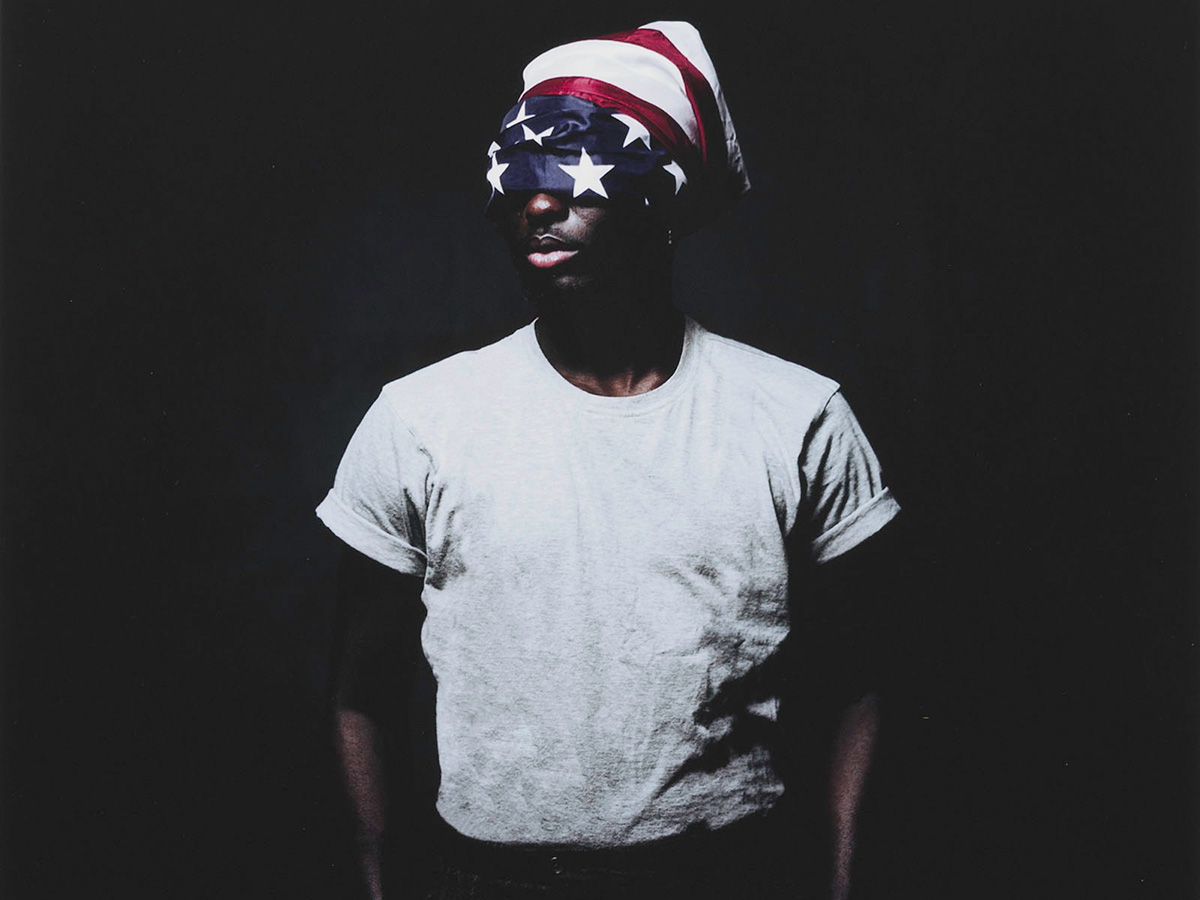
“Afterimages,” curated by first-year graduate students in art history under the guidance of Associate Professor Sascha Scott, highlights art from the museum’s collection to trace this complicated legacy.
This exhibition invites reflection on the impact the amendment had on Black communities, as well as the continued violence and coerced labor still permitted through the exclusion clause. Themes explored include community, resistance and resilience present in abolitionist and civil rights movements, some of which persist today.
“Afterimages: Legacies of the Thirteenth Amendment” will be on view in the James F. White Gallery through March 8. A free curator talk, led by Scott and the student curators, will be held on Feb. 13 from 3 to 3:45 p.m.
‘Undressed: The Nude in Dutch Art, circa 1550–1800’
In the 1950s, influential British art critic Kenneth Clark argued that great art depicted not “naked” bodies but “nude” ones, elevated above everyday reality. “Undressed: The Nude in Dutch Art, circa 1550-1800” disrupts this conventional idea about nudity in art by examining the works artistically and within their cultural context. Encompassing 21 works across a range of mediums, the exhibition surveys the portrayal of nudity and semi-nudity in Dutch art over several centuries from artists including Rembrandt, Lievens and Goltzius.
This exhibition is curated by eight senior art history majors with the guidance of Distinguished Professor Wayne Franits, chair of the Department of Art and Music Histories in the College of Arts and Sciences. The student curators spent a semester considering what these works reveal about the “nude” within their cultural context and now they’re inviting visitors to look closely and draw their own conclusions.
The exhibition will be on view from March 17 to May 9. A free curator talk led by Franits and the student curators will be held on Thursday, April 2, from 4:30 to 5:15 p.m.
This exhibition is made possible with support from the Department of Art and Music Histories in the College of Arts and Sciences and includes loans from the Johnson Museum of Art, the Westphalen Collection in New York City and private collections.
For more information on exhibitions, events and museum hours, visit museum.syr.edu or explore the museum’s free digital guide on Bloomberg Connects.