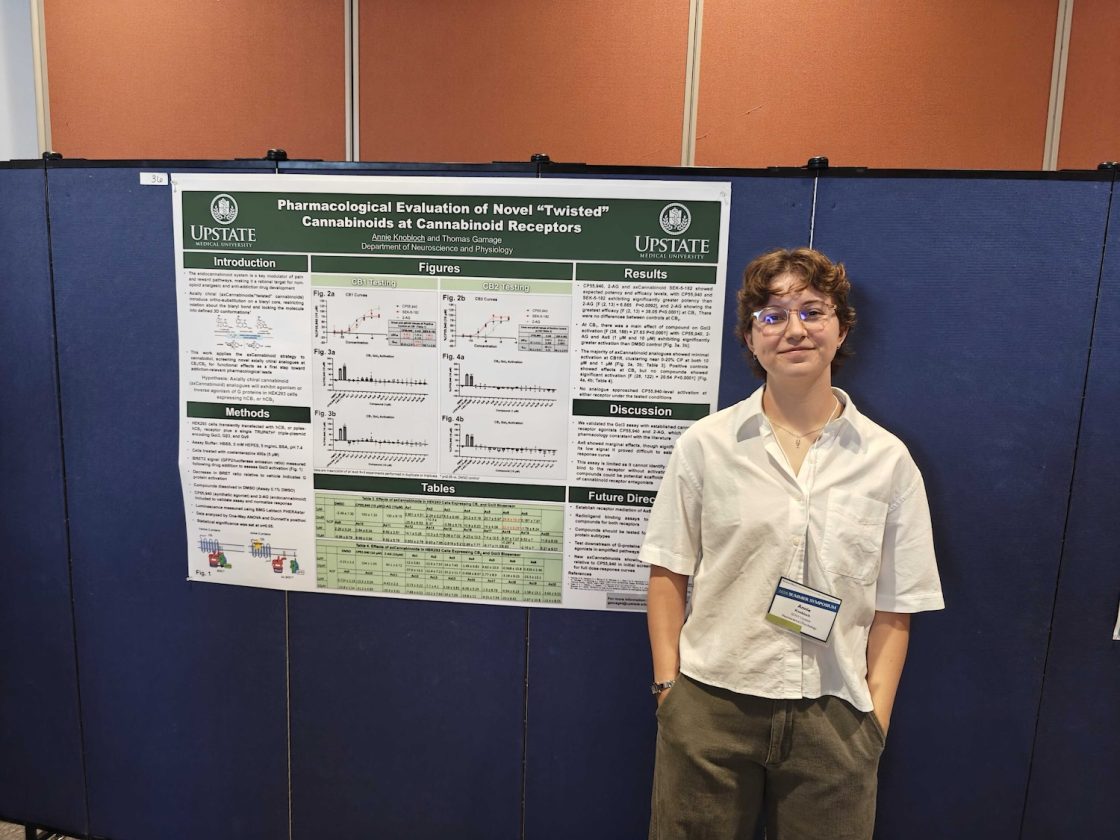
On a lab bench at SUNY Upstate Medical University, Victoria Alwar ’27 spent her summer running tests to explore how a single genetic mutation disrupts electrical signals in the brain and heart. Gabriella Garcia ’26 explored challenges in behavioral therapy for children by testing setbacks through a video game simulation for adult participants. Annie Knobloch ’26 studied how different cannabinoid compound structures interact with human cannabinoid receptors.
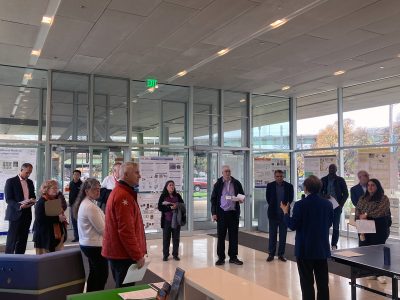
All three Syracuse University students spent their summer down the road from campus, as participants in the SUNY Upstate Medical University Summer Undergraduate Research Fellowship (SURF) Program. The 10-week fellowship, founded in 1994, draws nearly 40 students from across the country and works closely with Syracuse University’s SOURCE program. The two programs align their calendars, share social and professional development events and send students to present together at a joint Summer Research Symposium each year.
Over the past 10 years, 25 Syracuse undergraduates have taken part, making up as much as a fifth of the SURF cohort in some years. This year, it’s 14%.
Dr. Samuel Herberg, director of the SURF program, says Syracuse students have served as ambassadors for out-of-town participants over the years, and many continue working in their SURF labs throughout the academic year.
“There is no doubt that SU undergraduates play a vital role in the success of the SURF program, and in turn, they immensely benefit from the biomedical research environment at Upstate,” Herberg says.
SOURCE director Kate Hanson says the partnership contributes to a vibrant cross-institutional summer research community, bringing together students from Syracuse University’s five NSF- and NIH-funded programs, Syracuse University and SUNY College of Environmental Science and Forestry students and a small number of visiting high schoolers for shared activities that culminate in the Summer Symposium.
“Students learn from each other and are able to explore a broad range of the incredible research being done on the hill,” she says.
Gaining a Sense of their ‘Future Self’
As part of the SURF program, students get hands-on time in a working biomedical lab, often collaborating for the first time with a graduate student or postdoctoral fellow alongside the principal investigator/mentor in one of six research pathways. Through the mentorship, students learn to design and run rigorous experiments, analyze data and read and interpret scientific papers.
Weekly seminars also expose them to the range of research happening across campus and to their mentor’s personal career stories. A journal club—the program’s only formal course—gives them practice presenting and critiquing scientific papers in small peer groups.
Herberg says all SURF students are passionate about research but many are unclear on the nuances between a Ph.D. and an M.D./Ph.D. program—which is where career-focused workshops and “meet the dean” luncheons come in.
“From the feedback we receive, these sessions provide critical advice that has helped many SURF students clarify or substantiate their future plans,” he says.
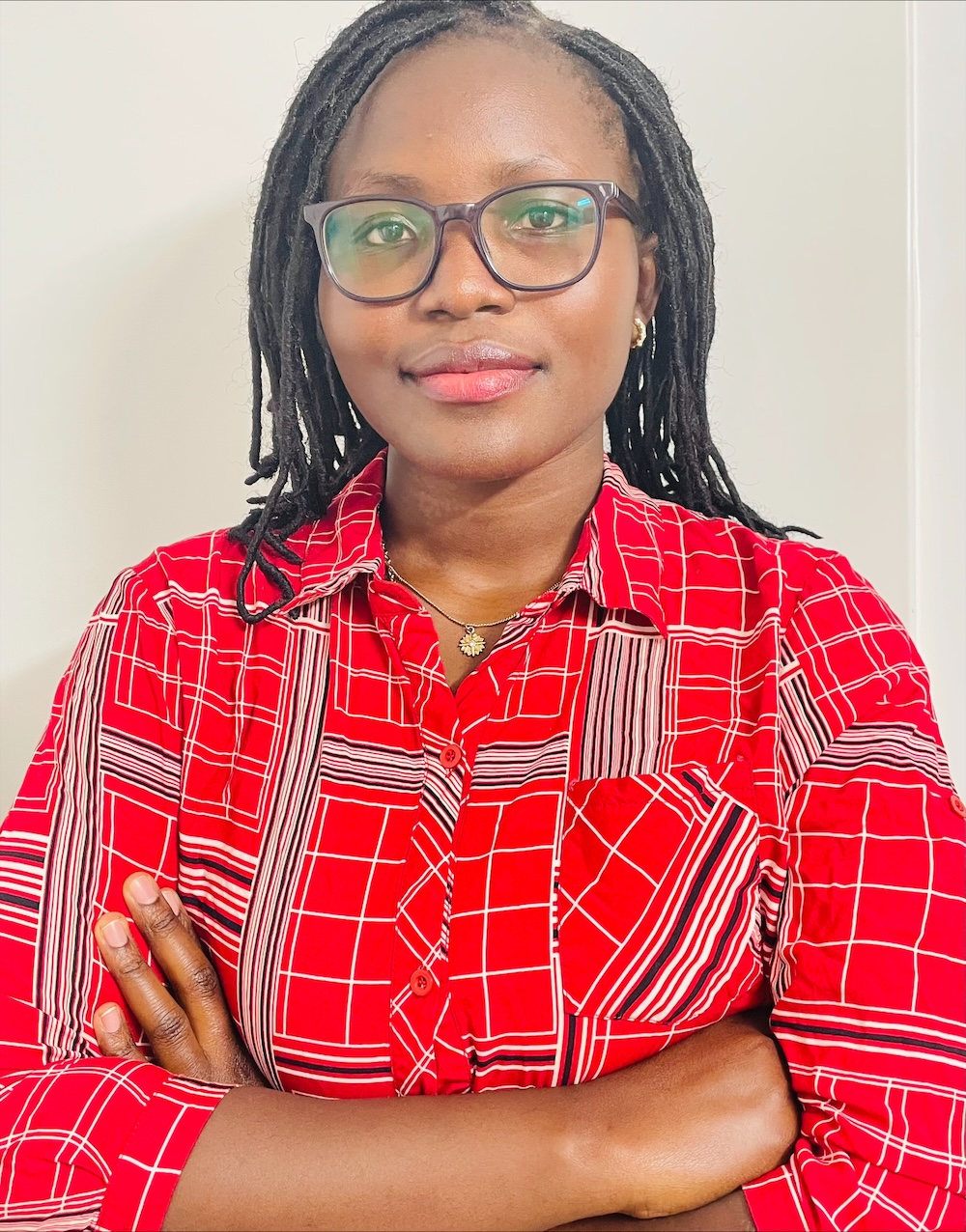
The Final Piece of the Puzzle
Alwar, a dual major in biology and neuroscience in the College of Arts and Sciences, says she came into the summer with “two pieces of the puzzle”: bench research through fellowships at SU and Upstate and clinical exposure from an internship at Brigham and Women’s Hospital in 2025. But she hadn’t yet seen how a physician-scientist operates between the lab bench and the clinic.
“The specific structure of this program around dual identity (being paired with both a faculty mentor and a current physician) allowed me to get direct clinical experience alongside my bench work,” Alwar says.
She started the program thinking it would clarify what she wanted to study or which career path to pursue. Instead, she realized what kind of work environment she thrives in: one built on guidance and collaboration, where mentorship is within reach, but she’s given agency, too.
“One that can still allow me to be trusted with real independence and responsibility and treated as a capable emerging scientist rather than a closely supervised individual,” she says.
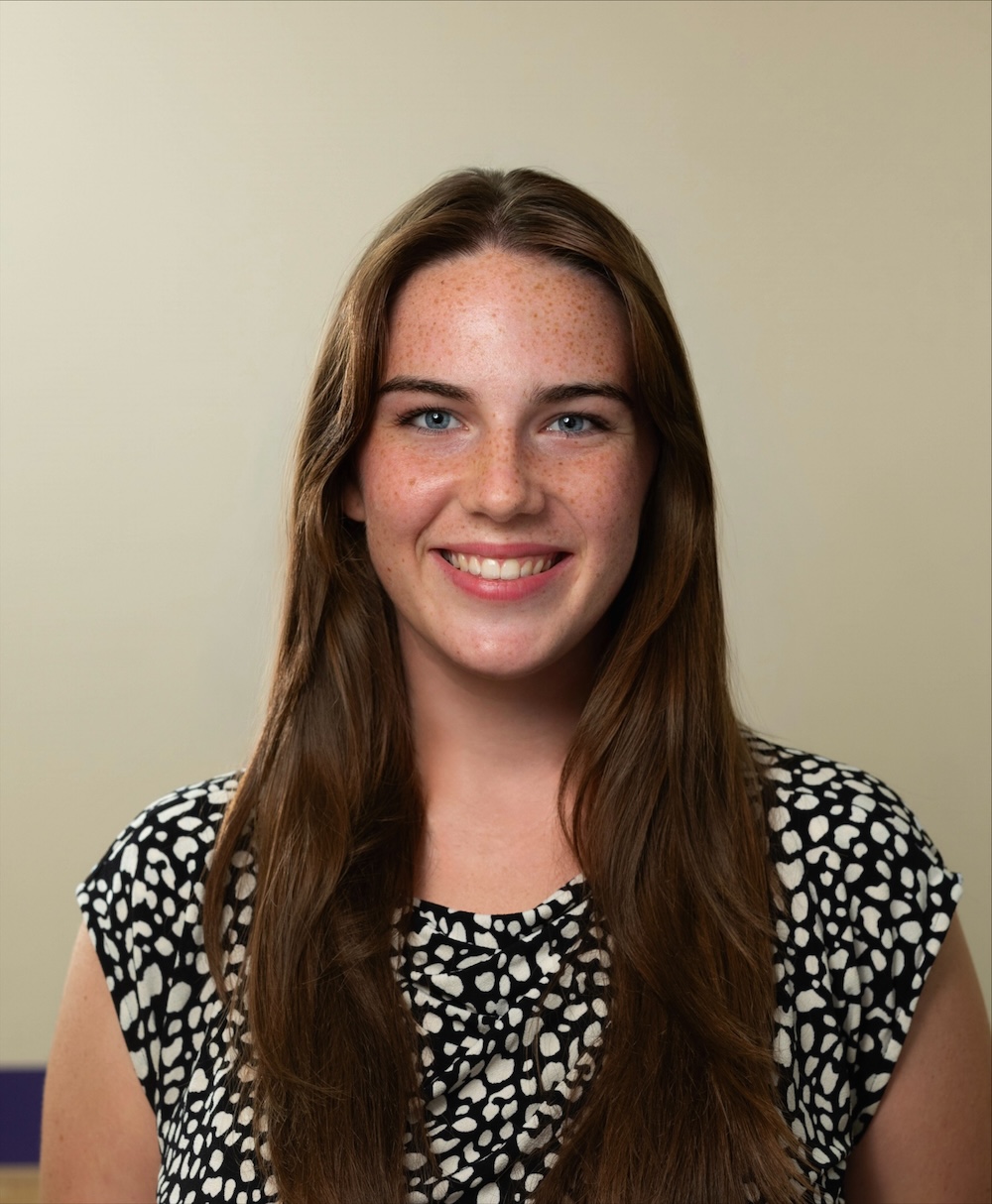
Broadening Interests
For Garcia, a biology major with a gerontology minor who is graduating in December, the path to SURF started at the Biology Research Fair in the Life Sciences Complex. That led to a mentorship with Dr. Andrew Craig at Upstate, who connected her to work at a specialized behavioral clinic and later recommended the SURF program.
During the 10 weeks with the SURF Health Science pathway, Garcia worked in two specialized behavior clinics. Her project tackled a real clinical problem from a safe distance. Children with developmental disabilities often relapse into harmful behaviors once they leave the clinic’s structured environment, but testing that relapse directly would be unsafe. Garcia used a video game created by Dr. Courtney Mauzy, a psychologist and pediatrics professor at SUNY Upstate, that simulates the three-stage progression of real-world therapy. The game allowed Garcia and fellow researchers to study how different reward strategies affect how well those skills hold up outside the clinic.
“This video game is a form of translational research that allows us to safely model these high-stress behavioral dynamics in a controlled lab setting through a video game,” she says. “Ultimately, this work helps build a foundation for clinicians to design stronger, more resilient treatment plans.”
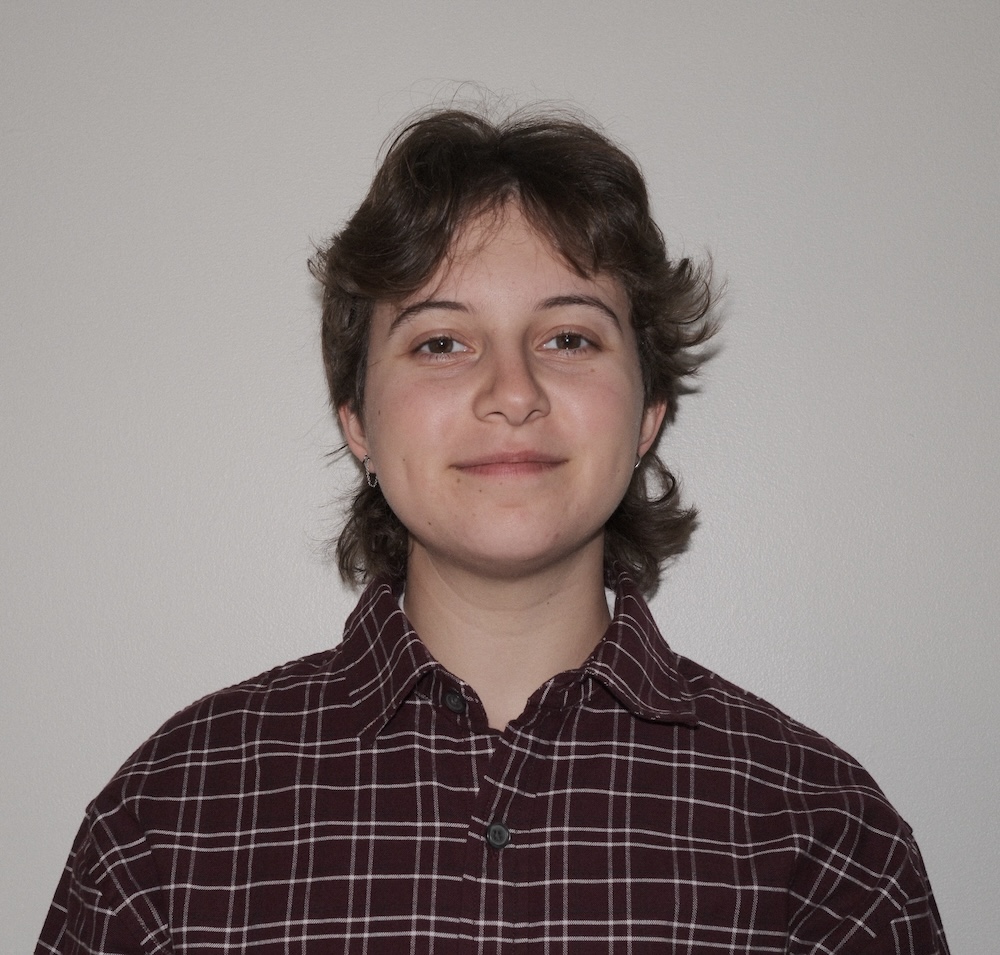
Confirming a Path to a Ph.D.
Knobloch, a neuroscience and psychology major graduating in December, went into the SURF program on the heels of doing research at Upstate for about a year. She spent the 10 weeks in a cannabinoid pharmacology research lab studying how small structural changes in a compound alter its functional effect on the human brain’s cannabinoid receptors.
The experience allowed her to learn more about neuropharmacology in depth and confirmed her love of biomedical research. She knows after the fellowship that she wants to pursue her doctoral degree.
“I learned so much from my new friends and hearing about their research projects,” she says. “The faculty are so great and the research done here is so fascinating. It’s a great trial run of a grad school program.”
Applications for the 2027 SURF cohort open in late fall.