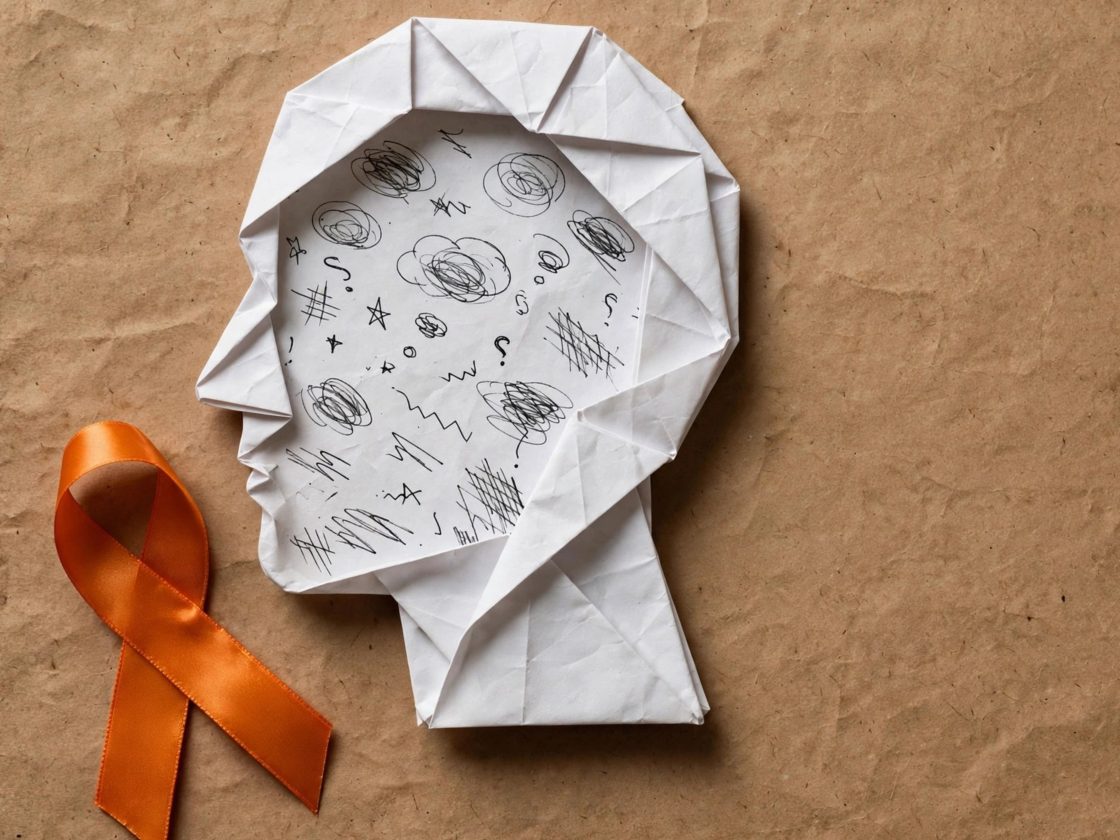
An orange ribbon, the national symbol for ADHD awareness, is shown as part of ADHD Awareness Month in October.
What's Behind ADHD's Moment on Social Media? Syracuse Psychologist Weighs In
October is ADHD Awareness Month, and the disorder has rarely been more visible — or more discussed — online.

Kevin Antshel, professor of psychology in the College of Arts and Sciences and director of the Ph.D. Program in Clinical Psychology, studies how ADHD is diagnosed, treated and understood across the lifespan, including how it overlaps with conditions like anxiety, autism and learning disorders. In 2025, Dr. Antshel was elected as a Fellow of the American Psychological Association for his contributions to the field of psychology.
Antshel shared his perspective on why ADHD is getting more attention now, what still gets lost in the conversation, and what to know if you or someone you love has been newly diagnosed. He is available for interviews.
I think there are two main drivers. First, people are reconsidering what they thought ADHD looked like. It can affect adults, including people whose difficulties went unrecognized as children. In a 2023 survey, more than half of adults with an ADHD diagnosis were diagnosed in adulthood. Second, social media gives people a place to explore whether that fits their experience. As people share and respond to ADHD content, those conversations reach others who might never have sought out information about the condition. Together, these developments are bringing ADHD into more everyday conversations.
I would like to see more attention on how ADHD affects everyday life. Online discussions often highlight recognizable habits, such as losing things or procrastinating. What makes those difficulties clinically significant is their persistence and impact. Repeatedly missing deadlines can undermine someone’s work, and forgetting commitments can strain relationships. We need to communicate that impact clearly so that familiar examples help people understand ADHD without making it seem trivial.
ADHD often occurs alongside other conditions, including anxiety, learning disorders and autism. That makes understanding why someone is struggling especially important. A child having trouble following a conversation might be distracted, have difficulty understanding social cues, or experience both. The behavior can look similar, but the support needed may differ. My doctoral students and I examine those distinctions because attributing everything to ADHD can leave other important needs unrecognized and untreated.
Both. In our recent study of 490 college students, accurate TikTok videos helped people learn about ADHD. But students who watched misleading videos came away knowing less while simultaneously feeling more confident in what they knew. That finding concerns me because confidence can make someone less likely to question inaccurate information. If a video sounds familiar, bring those questions to an evaluation. Recognizing an experience is useful, but it does not establish a diagnosis.
Start with what you would like to get easier. Is homework taking over the evening? Are deadlines slipping by? Are forgotten responsibilities causing arguments? Bring a few specific examples to your clinician and build the treatment plan around them. Medication and behavioral approaches have research support, with recommendations depending on age and individual needs. Then check whether those everyday problems are improving. That should help guide what you do next. Finding the right approach can take some adjustment, so be open about what is helping and where you are still struggling.
To connect with Professor Antshel for interviews, please contact the Syracuse University Media Relations team:
Daryl Lovell
Associate Director of Media Relations
Syracuse University
M 315.380.0206
dalovell@syr.edu