America at 250: Scholars Offer Perspective on a Milestone Birthday
As the United States prepares to mark its 250th anniversary on July 4, 2026, journalists covering the Semiquincentennial will find no shortage of angles—from celebration and patriotism to polarization, history and the legacies still unresolved. Syracuse University has a deep bench of scholars ready to help reporters tell the full story.
Below is a reference guide to several Syracuse University faculty experts and thought leaders available on topics ranging from national identity to the democratic blueprint drawn by this land’s first peoples.
For media assistance and interview coordination, contact media@syr.edu.
How Has America Celebrated Its Birthday Before—and What Does Our Constitution Really Mean?
Carol Faulkner | cfaulkne@syr.edu
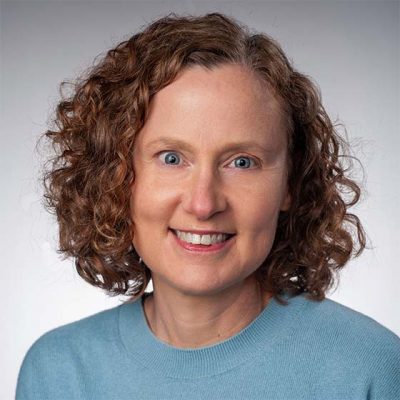
Carol Faulkner is a professor of history in the Maxwell School of Citizenship and Public Affairs.
A specialist in 19th-century American history, constitutional history and social reform movements, Faulkner can offer a deep historical lens on how the United States has marked its major anniversaries—from the Centennial in 1876 to the Bicentennial in 1976—and what those celebrations reveal about the nation’s evolving sense of itself.
She can also speak to what the Constitution means as a living document and how its interpretation has shifted over time. Faulkner recently helped develop a free public course at the Maxwell School in conjunction with the 250th commemoration.
Can a Divided Nation Still Celebrate Together?
Shana Kushner Gadarian | sgadaria@maxwell.syr.edu
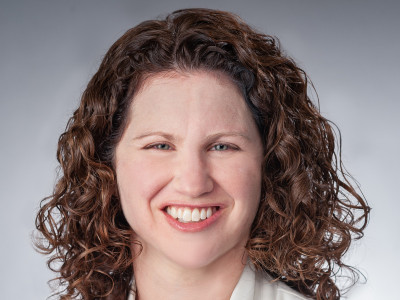
Shana Kushner Gadarian is a professor and chair of political science in the Maxwell School.
A leading expert on American politics, political psychology and public opinion, Gadarian has spent much of her career studying how fear, polarization and partisanship shape the way Americans engage with shared institutions and national events.
As the country marks 250 years, she can address whether a deeply divided electorate can still find common ground in national celebration—and what the politics of patriotism look like in this moment.
The State of American Democracy at 250
Grant Reeher | gpreeher@maxwell.syr.edu
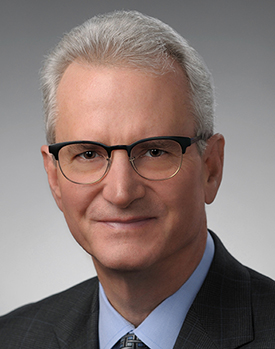
Grant Reeher is a professor of political science in the Maxwell School and a longtime observer of American political culture.
He can speak broadly to the health of U.S. democracy at this milestone, examining how the nation’s founding ideals are faring amid contemporary political pressures, what citizens expect from their government and how the meaning of democratic participation has evolved over 250 years.
Reeher is also a veteran media commentator on electoral politics and civic life.
The Blueprint America Forgot: Indigenous Roots of U.S. Democracy
Scott Stevens | scsteven@syr.edu
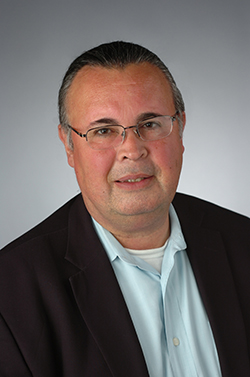
Scott Stevens is an associate professor and director of the Center for Global Indigenous Cultures and Environmental Justice in the College of Arts and Sciences, with expertise in Indigenous literature, history and cultural studies.
As the nation celebrates its 250th birthday, Stevens can speak to the often-overlooked story of how the democratic traditions and governance structures of the Haudenosaunee Confederacy—among other First Peoples—provided a foundational blueprint for the framers of the U.S. Constitution.
His work challenges and enriches conventional narratives about American democracy’s origins.
Nostalgia, Media and the Moments That Unite Us
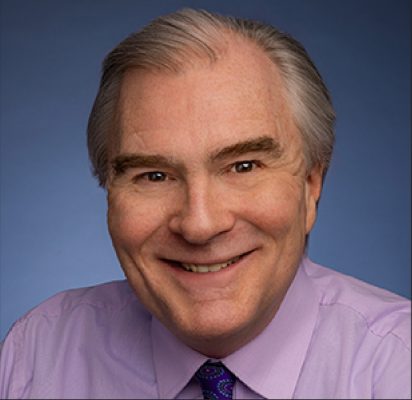
Robert Thompson | rthompso@syr.edu
Robert Thompson is founding director of the Bleier Center for Television and Popular Culture and a Trustee Professor of Television and Popular Culture in the S.I. Newhouse School of Public Communications.
Dubbed a “pop culture ambassador” by the Associated Press, Thompson has been a go-to voice for hundreds of media outlets on how Americans process shared national experiences through television, film and popular media. For the 250th anniversary, he can speak to how the media will cover—and shape—the celebration, as well as the role nostalgia plays in national identity and whether big national moments still have the power to bring a fragmented country together.