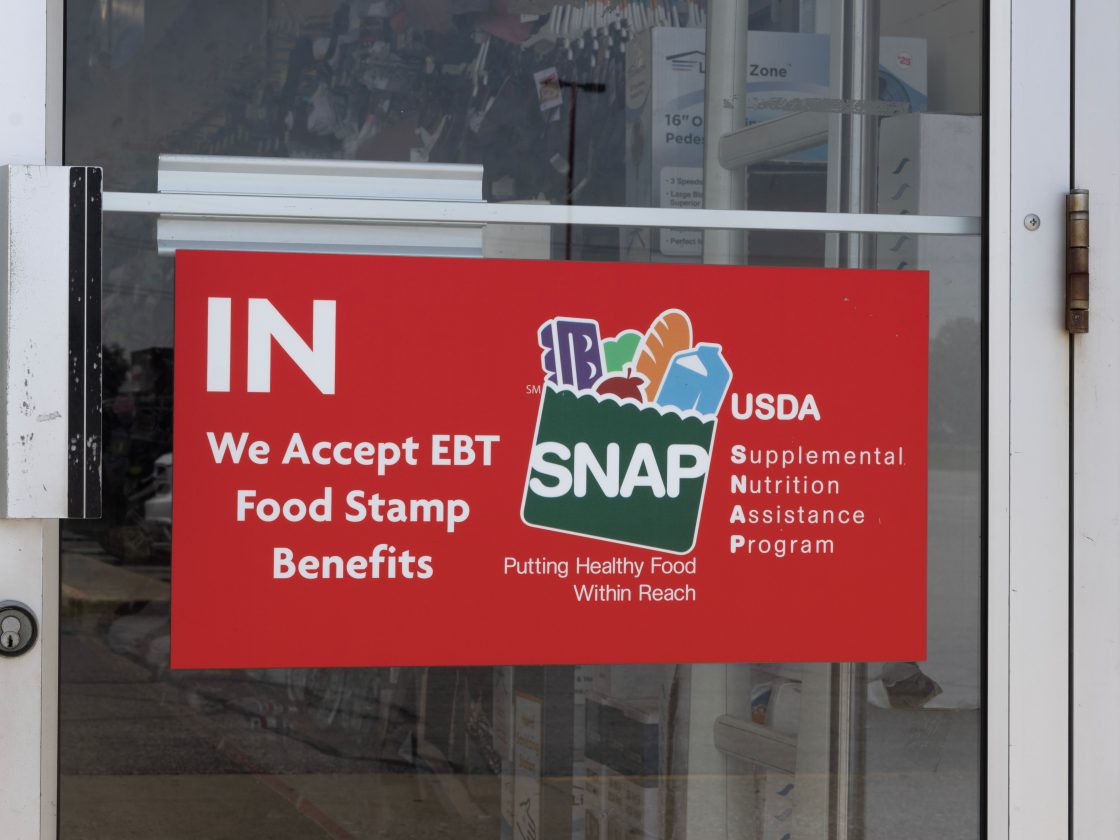
Professor: Hot Chicken Bill a 'Step in Right Direction' for SNAP
As bipartisan legislation to allow Supplemental Nutrition Assistance Program (SNAP) recipients to purchase hot rotisserie chickens moves through Congress, Syracuse University food insecurity expert Colleen Heflin is available to discuss how the proposal addresses real barriers faced by seniors, people with disabilities and time-constrained families.
Background: The Hot Rotisserie Chicken Act, introduced this spring by a group of bipartisan lawmakers, would update SNAP rules to allow recipients to purchase hot rotisserie chickens. Currently, SNAP recipients can only buy rotisserie chickens after they’ve been cooled, as existing regulations restrict benefits to “staple foods” intended for home preparation. The bill would not increase SNAP funding or expand eligibility.
Expert: Colleen Heflin is a professor of public administration and international affairs at Syracuse University’s Maxwell School of Citizenship and Public Affairs and a nationally recognized expert on food insecurity and SNAP policy. She has testified before Congress, published more than 70 research articles on food assistance programs, and recently co-authored “Food for Thought: Understanding Older Adult Food Insecurity” with Madonna Harrington Meyer. Her research is regularly funded by the National Institutes of Health, U.S. Department of Agriculture and the Robert Wood Johnson Foundation.
Professor Heflin is available for interviews on this legislation as well as any SNAP policy story you may be working on.
Comments from Professor Heflin (quotes may be used directly):
“SNAP benefits were designed to be used to cover food items prepared at home at a time when most families cooked from scratch daily. Today, however, those with physical limitations (such as older adults and those with disabilities) that make it difficult to shop, carry, stand and clean-up, those who are time constrained (such as households with children), and those without access to or knowledge of how to use kitchenware (items used in food preparation), may find that SNAP does not cover the food that they usually eat.
“In my recent book, ‘Food for Thought: Understanding Older Adult Food Insecurity,’ with Madonna Harrington Meyer, we heard how older adults’ mobility limitations and stamina reduced their food preparation and pushed them towards consuming less nutritious foods. Older adults mentioned the desire to be able to purchase rotisserie chickens specifically in our interviews.
“New provisions that make SNAP more accessible for these groups by allowing participants to use their benefits to cover hot rotisserie chickens is a step in the right direction. USDA has already allowed states to opt into the Restaurant Meal Program, which allows SNAP benefits for older adults, those with disabilities, and the homeless to use their benefits at participating restaurants, which vary by state.”
Faculty Expert