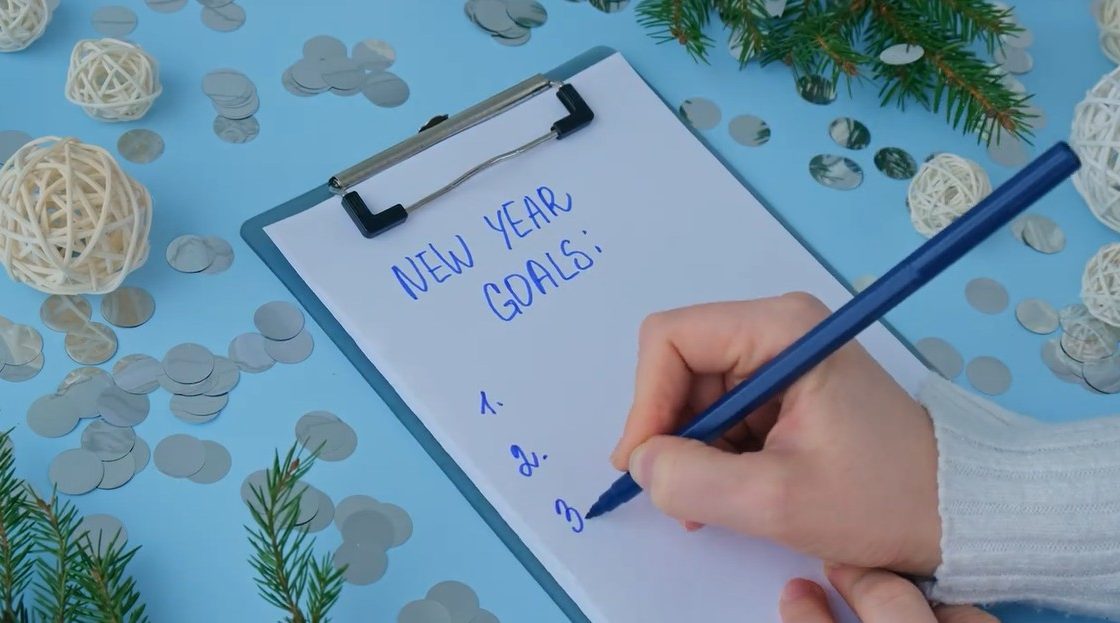
Expert Tips to Make Your New Year’s Resolution Stick
As New Year’s Eve approaches, millions of Americans will vow to lose weight, exercise more or quit smoking. While admirable, most will fail. Research shows resolutions often collapse within weeks. Lasting change is difficult, but there are proven methods that all start with one thing: a baby step.
Tracey Musarra Marchese, a professor of practice in social work in the School of Education, says the problem often starts with unrealistic expectations.
“People set resolutions that are too lofty. Instead of saying, ‘I want to lose 30 pounds,’ think about the first step,” Marchese says. “That’s the goal to set.”
Breaking big resolutions into smaller, bite sized pieces is key. This partial goals strategy builds momentum and confidence and ultimately, success.
“When you see successes along the way, it keeps you motivated,” she says. “If you try to overhaul your life overnight, you’re setting yourself up for failure.”
Find Your Support
Support systems matter too. Marchese points to research that shows accountability dramatically improves success rates.
“When someone knows your goal, you have encouragement and accountability,” Marchese says. “It’s not about punishment, it’s about having someone to check in with.”
But along with success more often with New Year’s resolutions comes failure. That’s why Marchese says self-compassion is important too. In other words, give yourself a break.
“If you’re a perfectionist, resolutions can backfire,” Marchese says. “Missing a workout doesn’t mean you’ve failed. Give yourself grace and adjust. Every day is a new opportunity.”
Reframe Your Goals
Ultimately, for success in achieving your New Year’s resolution, reframing goals as positive actions rather than restrictions is crucial.
“Instead of focusing on quitting smoking, think about what you’ll add to your life, like a new hobby or stress-relief activity,” Marchese says. “Moving toward something is more motivating than removing something.”
Her bottom line: Don’t wait for Jan. 1 to make changes.
“Every day is a new chance,” Tracy says. “Start small, build habits, and celebrate progress. That’s how real change happens.”
Faculty Expert