Indigenous Students Find Belonging, Community at Syracuse
When Chancellor J. Michael Haynie spoke at this year’s Nya weñha Skä•noñh luncheon in August, he was addressing new Indigenous students as much as his own sense of belonging at Syracuse University.
“Students are my North Star,” he told the crowded Skybarn on South Campus. “Keeping you at the center of all that the University does is what guides my thinking and decision-making.”
This idea was evident at the luncheon, which has become more than an annual tradition of the Native Student Program. It’s also part of a larger strategic orientation at Syracuse, enabling Indigenous students to build relationships and discover key support systems.
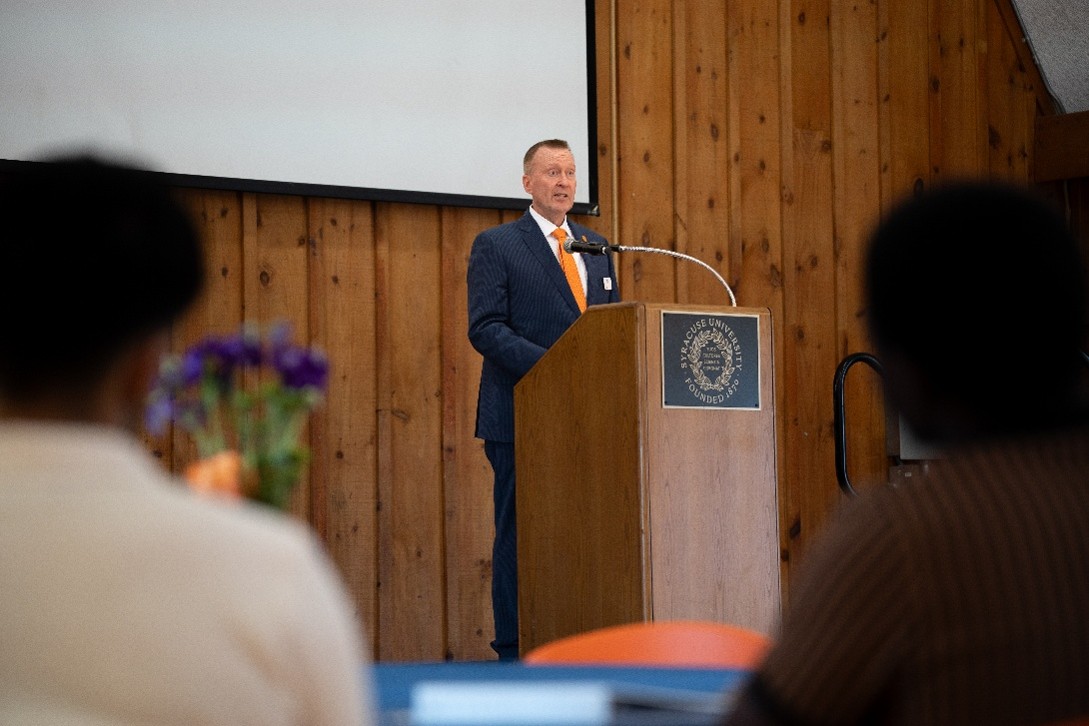
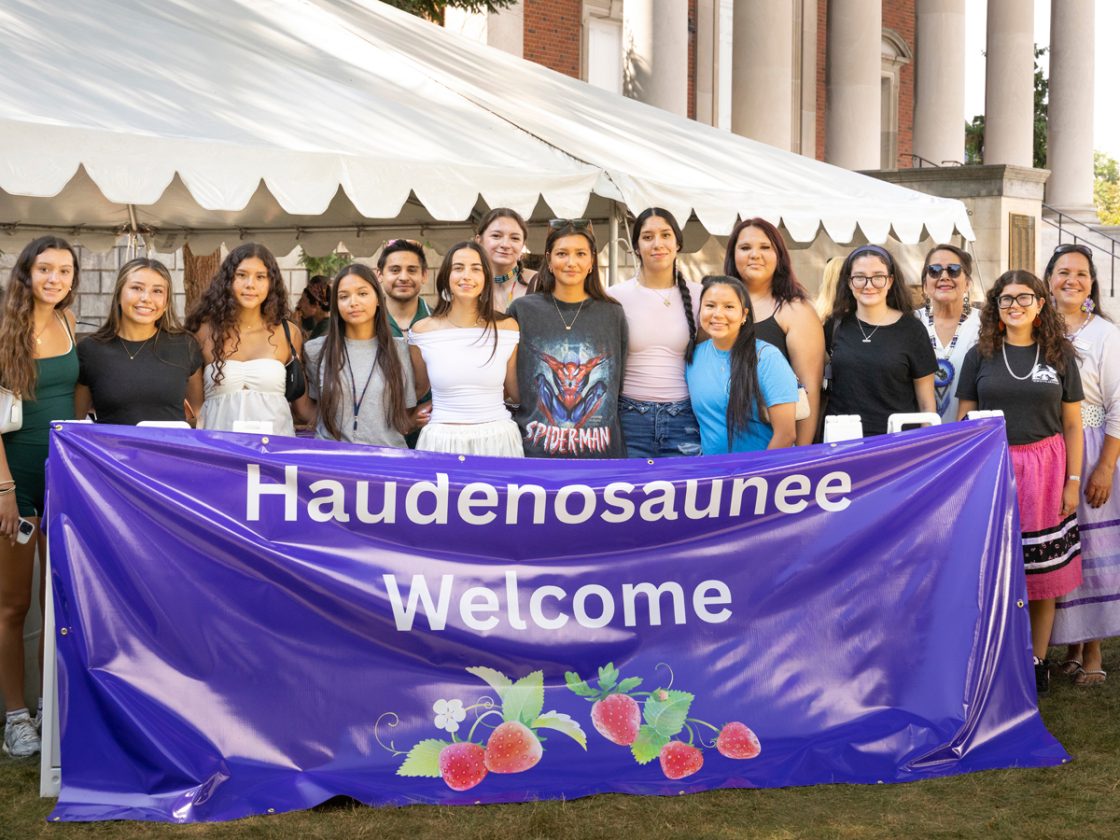
At the luncheon, Haynie welcomed 48 self-identified undergraduate Indigenous students from 19 tribal nations. A fitting gesture for an event steeped in tradition and community.
Pronounced “NYAH-wen-hah SKAH-noh,” Nya weñha Skä•noñh is a traditional Onondaga phrase meaning “thank you for being well.”
Attendees were surprised to learn that, along with 15 self-identified graduate Indigenous students, they constituted the largest Indigenous community in Syracuse history: 481 students.
Tammy Bluewolf-Kennedy ’04, G’10, an assistant director who oversees Indigenous recruitment and supports partnership programs, believes numbers speak for themselves.
“Studies show that when an institution invests in programs and resources that affirm our identity, students feel welcomed and want to stay,” says the Oneida Nation Wolf Clan citizen, who has recruited the new Indigenous Teacher Preparation Program. “Students know they belong here.”
Blending Academic and Nonacademic
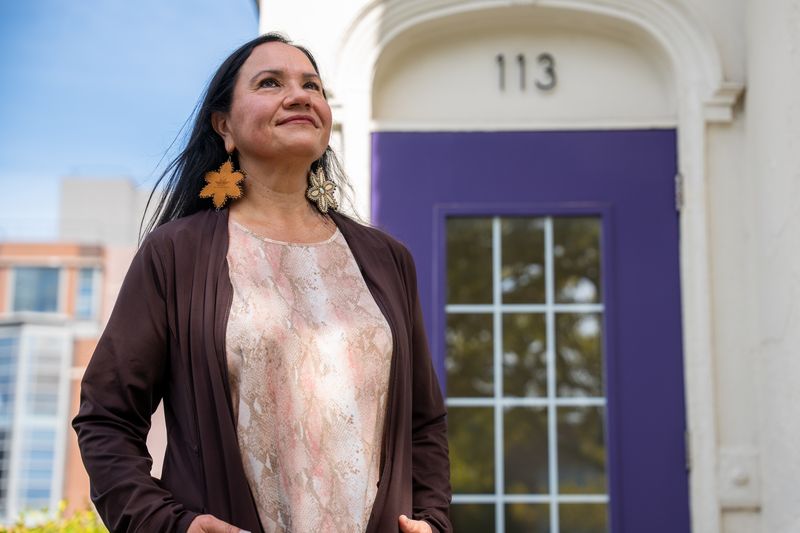
The University has worked assiduously to strengthen its relationship with the nearby Onondaga Nation, the central Firekeepers of the Haudenosaunee Confederacy.
Bluewolf-Kennedy points to the establishment of myriad programs and resources on campus, like the Native American and Indigenous studies minor, the Certificate in Iroquois Linguistics and, of course, the Native Student Program.
“Our campus is in the heart of Haudenosaunee territory, on Onondaga Nation homelands, so we support students of any tribe or Nation,” she says.
This year’s cohort of new students includes 16 Haudenosaunee Promise Scholars, three Haudenosaunee Honors Scholars and 10 Indigenous Pathway Grant recipients.
Whereas the Pathway Grant provides need-based financial aid to Indigenous students from the United States and Canada, the Haudenosaunee scholarships cover 100% of tuition, fees, housing and meals for certified citizens of the historic Haudenosaunee nations.
“The main difference between the two scholarships comes down to territory requirements,” Bluewolf-Kennedy adds.
She attributes Syracuse’s growing Indigenous student enrollment to Darrin White ’17, the Native Student Program’s indefatigable coordinator. He’s intimately acquainted with the 20-year-old program, having participated in it as an undergraduate.
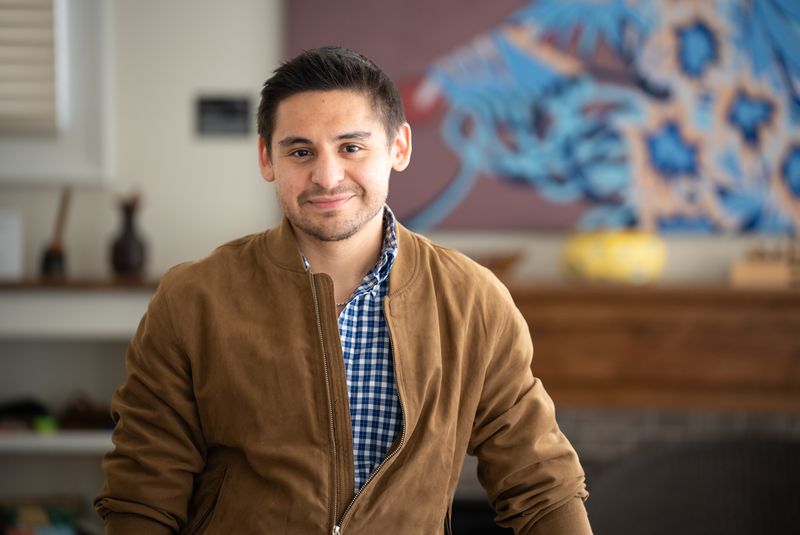
A member of the University’s Intercultural Collective, the Native Student Program is located at 113 Euclid Ave. The century-old building houses a mix of resources and services, ranging from peer mentorship, tutoring and academic advising to mental health support, professional development and cultural engagement.
“I get to know students on a level that’s real and genuine to their sense of belonging,” says White, an Onondaga Nation Eel Clan citizen. “By establishing a sense of community and belonging, students want to come to Syracuse.”
And stay here.
The Perfect Fit
The University’s first Haudenosaunee Honors Scholar, White points to recent Belonging and Student Success data, which finds Indigenous students’ sense of belonging at Syracuse approximately 35% greater than that of their non-Indigenous peers.
Mac Schmidt ’28 and Shayla Benedict ’29, peer mentors for the Native Student Program, embody this ethos.
“It’s becoming commonplace around Turtle Island [North America] for Native Americans to pursue higher education,” observes Benedict, a dual major in journalism and environment, sustainability and policy. “The generation before me inspired me to attend Syracuse, and it’s become the perfect fit.”
Like White, she is an Onondaga Nation Eel Clan citizen, honored to serve as a “resource” for new Indigenous students and transfers on campus. “I answer questions about the Native Student Program as well as events and activities and dorm life,” Benedict says.
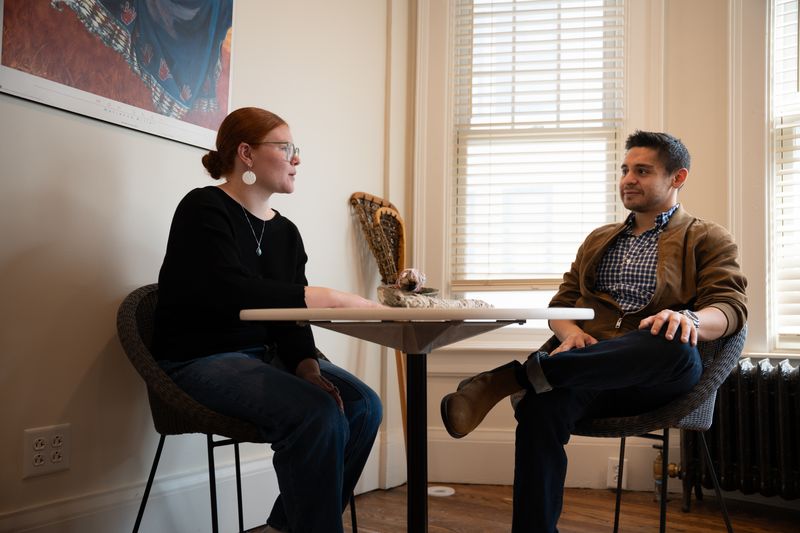
Schmidt also helps mentees navigate the University’s academic and nonacademic terrain. “Sometimes we meet for dinner or hang out at 113 Euclid,” notes the Onondaga Nation Beaver Clan citizen.
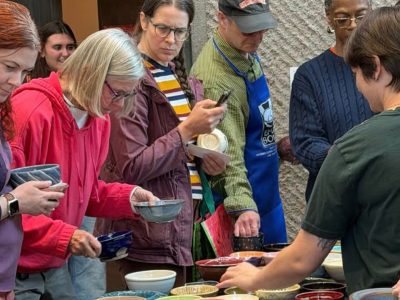
One of her favorite activities is Beading Night, where participants learn different beading techniques while connecting with community. “It’s a wonderful way to get in tune with our culture,” says Schmidt, a psychology major minoring in Native American and Indigenous studies.
It’s this creation of what Haynie describes as a “home-away-from-home” that has inspired record numbers of Indigenous students and alumni (of whom there are nearly 1,460) affiliated with Syracuse.
“There are Indigenous people at all levels of the University,” White says. “It’s important for students to see themselves reflected in the institution they attend.”