Hudson Williams and Connor Storrie in a scene from "Heated Rivalry." (Photo by Sabrina Lantos/HBO Max)
Newhouse Professor Breaks Down Success of ‘Heated Rivalry’
Chances are, by now, you’ve probably heard of “Heated Rivalry.”
The television show, based on a 2019 novel of the same name by Rachel Reid, tells the romance of rival NHL players who—secretly—fall in love with each other. The slow-burn, enemies-to-secret-lovers series was released in late November and has become a runaway hit. Each week, new headlines appear related to the show, its impact and stars (who recently served as Olympic torchbearers).
Made with a modest budget for the Canadian streamer, Crave, the show’s success reportedly surprised even the TV executives involved. According to The New York Times, the show had roughly 30 million streaming minutes in its debut week. By late December, the streaming time had increased tenfold, more than 324 million minutes.
The show’s momentum comes as no surprise to Melissa Martinez, assistant teaching professor in the television, radio and film program in the Newhouse School of Public Communications.
Martinez says there’s much showrunners and executives can take away from the show’s meteoric rise into an influential—and far-reaching—cultural moment. “Heated Rivalry,” like “KPop Demon Hunters,” before it, can serve as a reminder to those creating media about the importance of trusting audiences, specificity and being true to the story you are telling.
Audiences Are the New Stakeholders
The triumph of “Heated Rivalry” illustrates a key message Martinez says she always emphasizes to students.
“Audiences are the new stakeholders, and they’re the most powerful ones,” she says.
The series is the perfect example of the power of audiences, since fan conversations, not traditional marketing, have driven the show’s growth, Martinez says.
“Fans are an increasingly important part of every conversation,” she says.
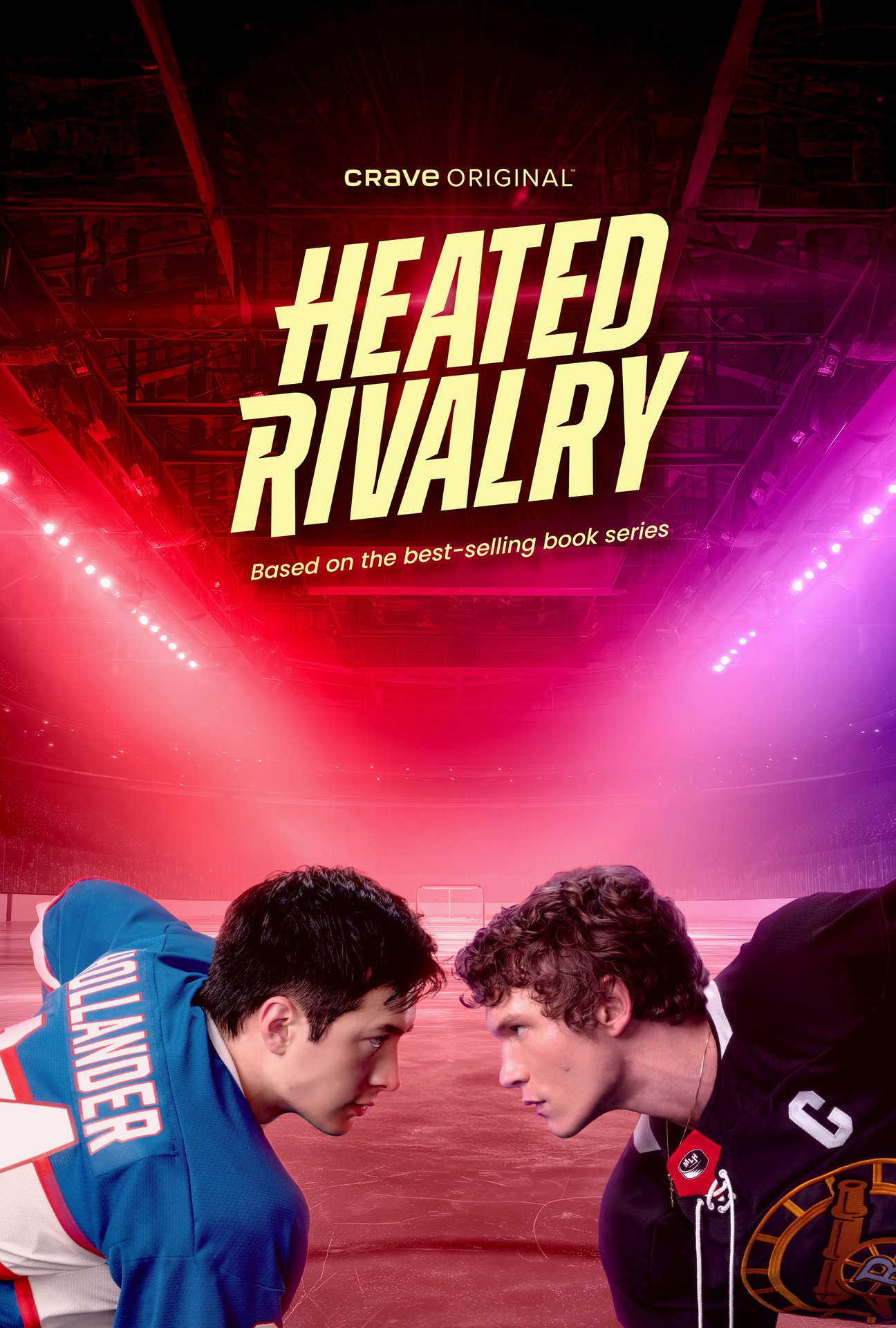
The book, part of Reid’s “Game Changers” hockey romance series, has its own dedicated fanbase of readers. The show got picked up by HBO Max just over a week before its release on Nov. 28 in part because of the conversations fans were already having about previous casting announcements and clips released.
But, Martinez says the show’s rapid audience growth has not just been because of BookTok or Bookstagram, the subcommunities on TikTok and Instagram dedicated to books and reading.
“Now this whole new legion of fans is discovering the show,” she says.
The best marketing for the series has been fan-led conversations online, where people share their love for the production with their own followers and communities. This has allowed multiple fandoms—hockey fans, romance readers, LGBTQ+ communities—to discover the show through their own entry points, with conversations about the show growing beyond specific platforms and demographics.
Fan-edits, where people take clips from the show and pair it with a trending song or a message about why they connected with the story, have become crucial marketing, serving as “gateway content” for new show viewers, Martinez says.
“Those things promote it more effectively than anything else a marketing team would have come into the picture and done,” Martinez says.
Stay True to the Source Material
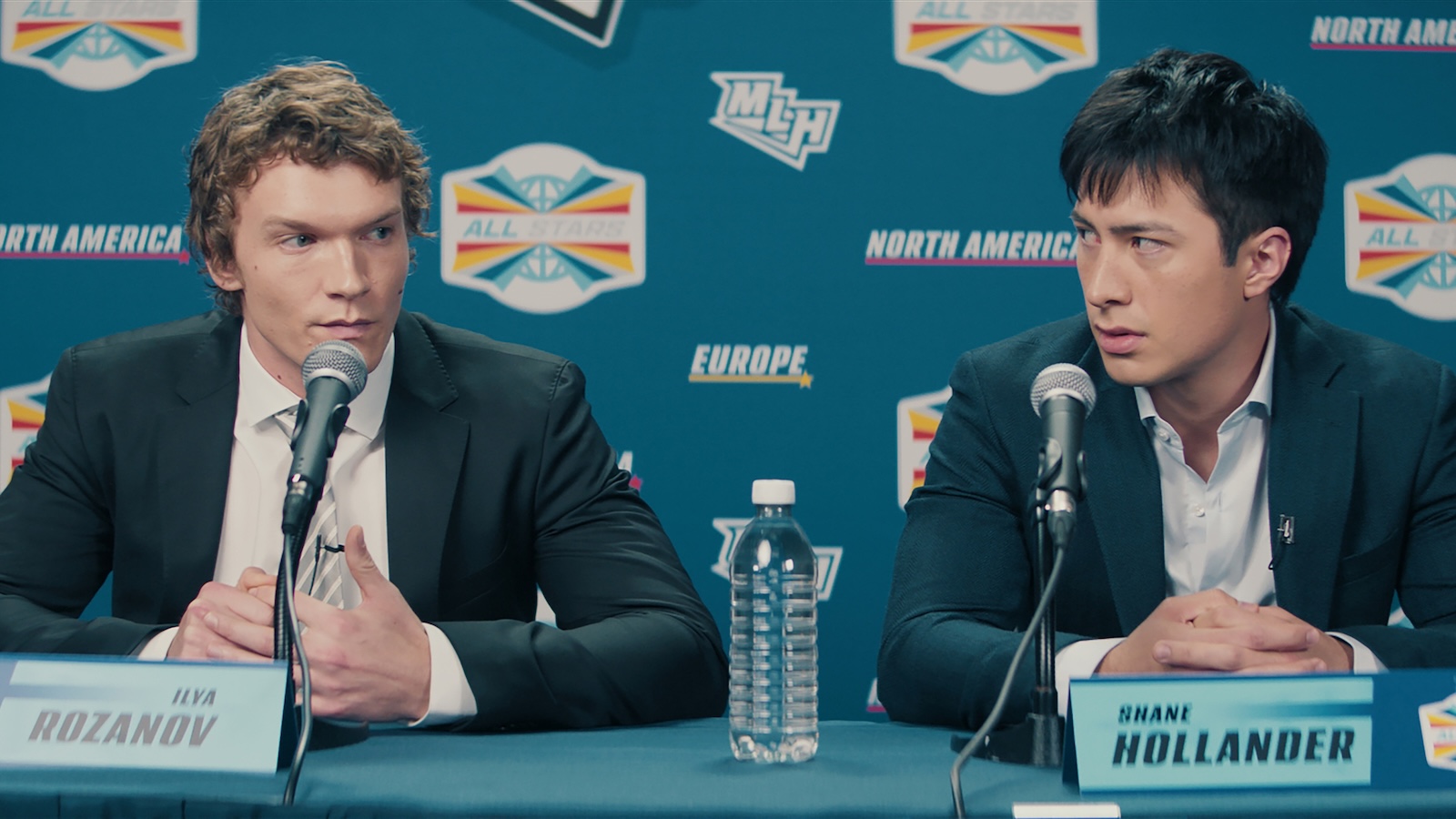
Another key lesson is that the creators of “Heated Rivalry” focused on respecting the original intellectual property, rather than “creating by committee” to reach a broader audience, Martinez says.
“What I hope we can borrow from this if you have a piece of IP, let’s try to do our best to adapt it, not thinking we can game the system,” she says. “There’s a lot of data around fans and audiences, and we can try to create around that. But if fans love the IP for a reason, let’s see how we can utilize the new media forum to tell the story better and do them justice.
Ignoring the original audience that makes content popular in the first place doesn’t make sense, she says.
Martinez says what Jacob Tierney, the show’s creator who wrote and directed each episode, did right was to only make changes that enhanced the narrative in the new medium, keeping the original characters and storyline intact—not shying away from the romance—and focusing on how to tell the best story they could.
“It’s about trusting why an audience loves a thing that you are now making,” she says.
With the original fans feeling respected, they in turn became fierce advocates for the show, drawing in a larger audience.
Specificity Lends Itself to Universal Connection

Like “KPop Demon Hunters” and “Squid Games,” Martinez says “Heated Rivalry” is an example of how telling the specific, truest version of a story is essential for creating resonance.
The characters of “Heated Rivalry,” in both the book and the show, are written with depth and particularities—not to serve as universal representatives or attempting blanket “authenticity,” she says. It’s through the specificity of the story, which has elements and themes that are universal (yearning, feeling unsafe to be seen in certain spaces, feeling you can’t be fully yourself), that broad audiences can connect.
It’s a reminder to creators to trust the audience is smart and can make their own meaningful connections to the narrative, Martinez says.
“The things that are going to be hitting are the ones where the team focuses on telling the best and truest story,” Martinez says.