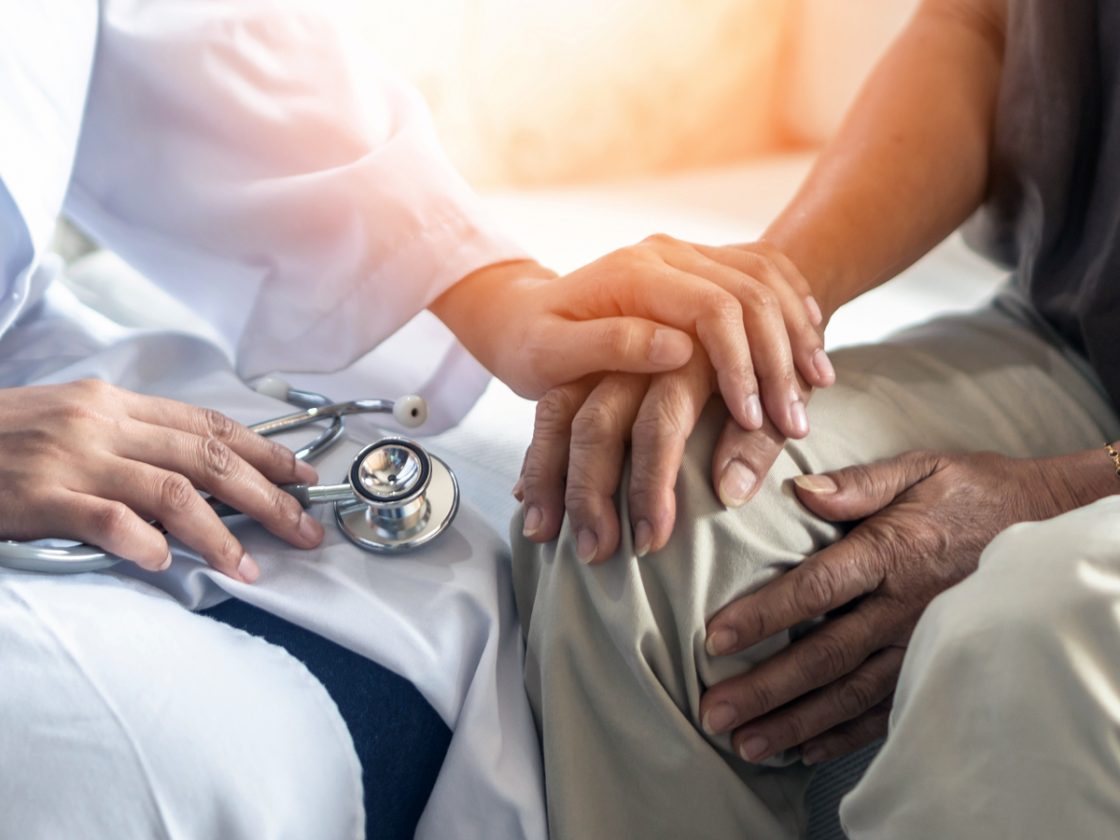
Training Aspiring Rural Doctors to Connect With Patients
Before becoming a doctor, students go through approximately 11 years of rigorous education, from earning a bachelor’s degree to attending medical school and completing their residency.
Beyond medical knowledge and technical training, today’s most effective physicians know that explaining symptoms and diagnoses clearly is just as important. When patients understand their health, they receive better care.
Through a collaboration between the S.I. Newhouse School of Public Communications and SUNY Upstate Medical University, the Targeted Rural Health Education (TRHE) program is training aspiring rural doctors to clearly communicate complex medical issues to patients.
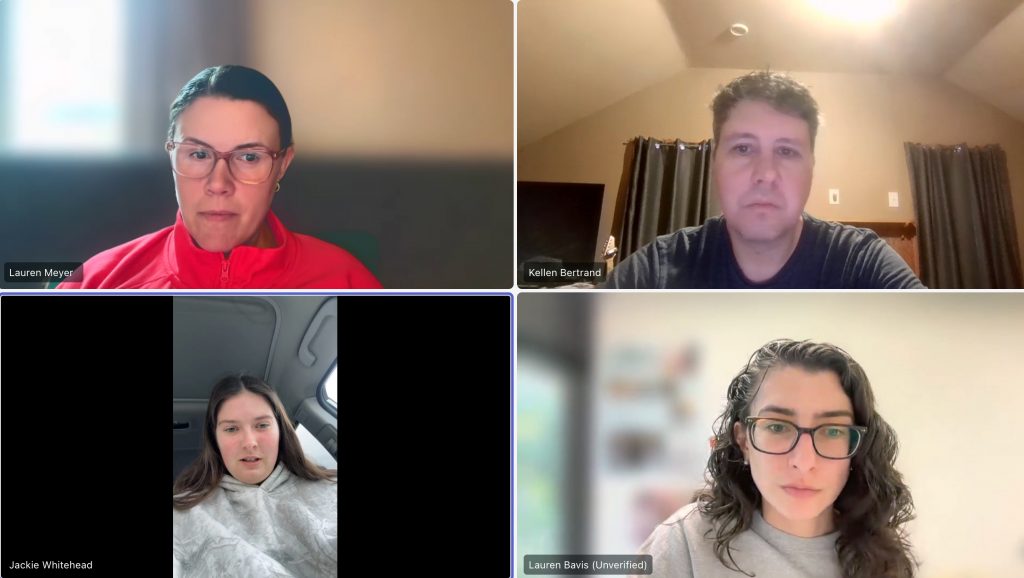
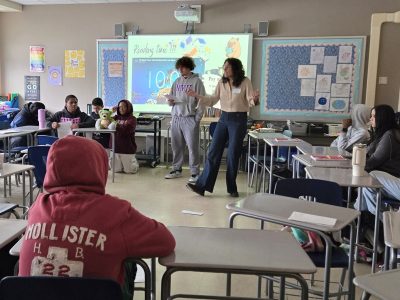
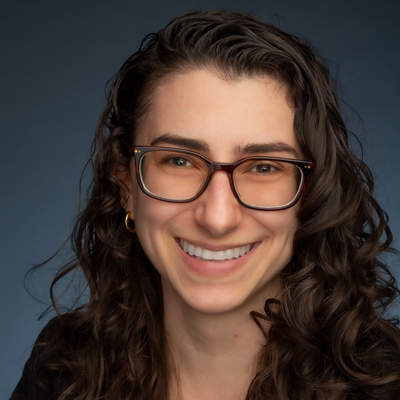
Working with Lauren Bavis, a former health reporter and current Newhouse School faculty member, student doctors in SUNY Upstate’s Rural Medical Scholars Program (RMSP) research a story idea, think about the appeal of the topic and create an op-ed piece that transforms their medical opinions into an easy-to-understand, informative public health article.
“We’re helping these medical school students understand the needs of their patients, and we’re equipping them with the skills to explain complex medical diagnoses in easy-to-understand ways so their patients feel like they can trust them,” says Bavis, professor of magazine, news and digital journalism in the Newhouse School.
Gaining Skills to Last a Lifetime
TRHE has become an important part of director Lauren Meyer’s RMSP curriculum at SUNY Upstate. Third- and fourth-year medical students training in rural hospitals and doctor’s offices learn the importance of using local newspapers to share vital public health information.
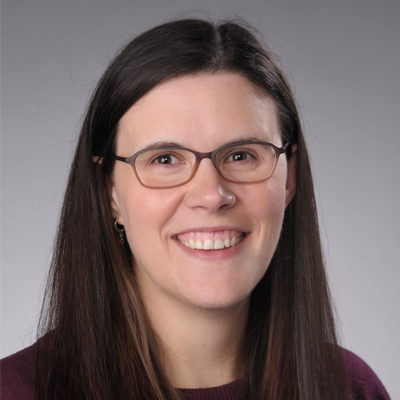
“We tie this to their clinical experience because we want those students to see what’s going on in that community,” Meyer says. “Through hands-on experiences, they’re able to identify possible topics that are timely and relevant to that population.”
Last spring, three enrolled students completed the virtual class and published news articles that live on the New York State Association for Rural Health website as a reminder of the positive impact effective communication plays in rural medicine. Five more aspiring rural doctors took the class during the Fall 2025 semester and are working on publishing their articles.
“In medical school, they’re used to scientific writing for journals and papers and clinical notes in patient charts. But now, they’re learning how to communicate with their patients,” Meyer says. “These students will carry this experience with them through the rest of their medical careers.”
The Trouble With Chainsaws
Over the course of three virtual sessions, aspiring doctors like fourth-year medical student Nate Barott brainstorm their story idea, devise a pitch for their op-ed and then produce a finished story to run in local publications, whether online or in print.
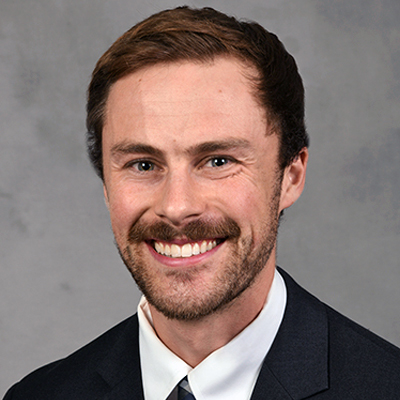
Translating complex scientific writing into clear, accessible language helped Barott become a more effective communicator. It also highlighted the importance of informing rural communities about key public health issues.
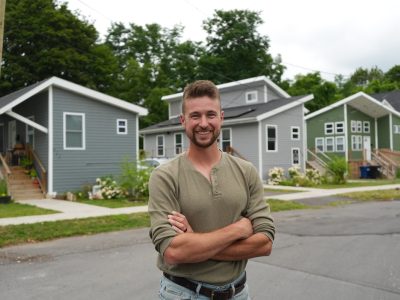
During his 10-week rotation in Glens Falls, New York, Barott saw numerous instances where individuals came to the emergency room after injuring themselves operating a chainsaw. Those interactions changed his perspective on the practice of medicine in the community he was serving, and were the inspiration for his op-ed: Avoid the Emergency Department: Essential Chainsaw Safety Tips for Warren County Residents [PDF].
“I drew on my own experiences with chainsaws growing up in Canandaigua, New York, and what I saw while in Glens Falls, and came up with some easy-to-understand advice that the audience could take away from the article,” Barott says.
As he works to become a doctor, Barott says this experience will help him establish trust and become a better communicator with his patients, and form relationships with the local media in his community to promote public health initiatives. And he hasn’t ruled out writing additional informative news articles.
“This experience helped me relate to what my patients were going through. I learned new ways to communicate with patients and gained more empathy for what patients are dealing with after being injured by a chainsaw,” Barott says. “It’s so important to establish trust with our patients, and this will definitely help me in my future career as a physician.”